If you’ve ever wondered about the connection between dishwasher pods and gut health, you’re not alone — this growing concern is now backed by emerging scientific research. When you load up your dishwasher, you expect sparkling dishes — not hidden chemicals that could affect your gut health. But recent research suggests a surprising link between dishwasher pods and gut health, with detergent residues potentially influencing the delicate balance of your microbiome.
We believe clean dishes shouldn’t come at the expense of your health or the planet. That’s why we’re exploring what science says about dishwasher detergent residue, how it may affect your gut balance, and the eco-friendly alternatives that can help protect both your microbiome and your home environment.
How Chemicals in Dishwasher Pods May Impact Gut Health
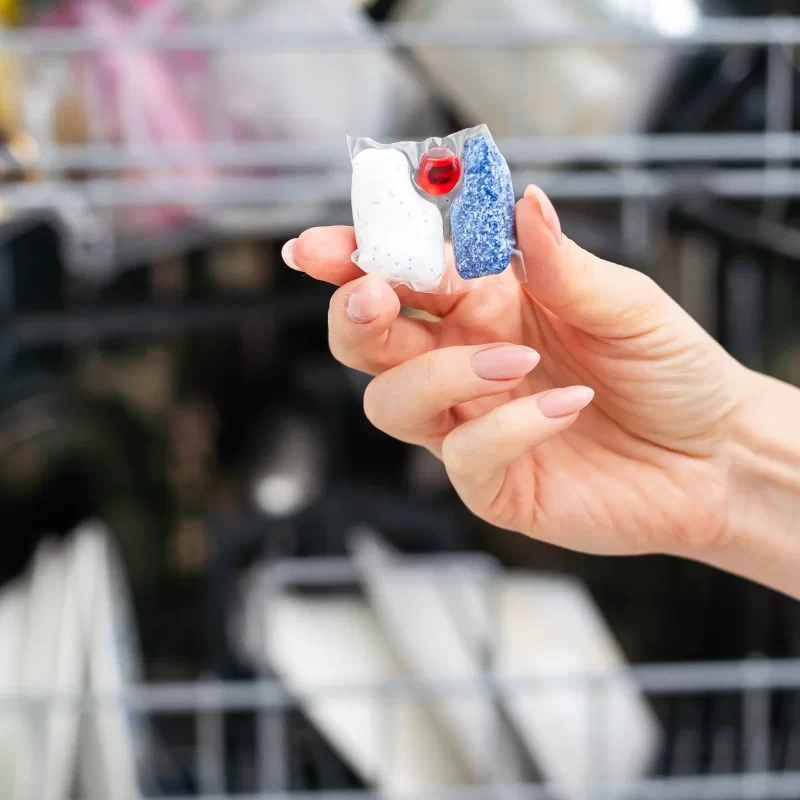
Most people never think twice about what’s inside a dishwasher tablet — after all, it’s not something we eat. But studies show that many conventional dishwasher detergents contain toxic ingredients that, in high or repeated exposure, can irritate the digestive system, disrupt the gut microbiome, or trigger allergic reactions.
Even at low levels, chemical residues can build up on plates and glassware, increasing the chance of trace ingestion with everyday meals.
Here’s a look at some of the most concerning ingredients — and why you might want to rethink what’s cleaning your dishes:
1. Phosphates: A Hidden Gut Disruptor
Once widely used to soften hard water and improve cleaning, phosphates are now banned or heavily restricted in many countries due to their environmental impact — and growing concerns about their effects on human gut bacteria.
According to research from the Environmental Protection Agency (EPA) and Scientific Reports (Nature, 2020), phosphates can alter microbial balance, potentially influencing gut function and immune responses. They also contribute to water pollution and algal blooms, harming aquatic ecosystems.
2. Chlorine Compounds and Bleaches
Chlorine-based cleaning agents are designed to sterilise, which is great for dishes, but not so great for your gut. Inhaling or ingesting chlorine residues can cause respiratory and digestive irritation, and research has linked chronic exposure to potential gut barrier disruption and oxidative stress (PubMed, 2019). Even trace residues from dishwashing cycles can linger on plates or glasses if rinsing isn’t thorough.
3. Sodium Lauryl Sulfate (SLS) and Surfactants
SLS and similar surfactants make detergents foam and lift grease — but they’re also known irritants. Studies show SLS can cause cell membrane damage and intestinal irritation in animal models (Toxicology Reports, 2018).
While occasional exposure is low-risk, repeated contact through chemical residues on dishes may add up, especially for sensitive individuals or children.
4. Synthetic Fragrances and Dyes
“Fresh scent” might sound appealing, but it often hides a cocktail of unlisted chemicals like phthalates, musk compounds, and formaldehyde-releasing preservatives.
These are known endocrine disruptors and neurotoxic agents, which can interfere with hormones and contribute to chronic health issues (ChemTrust, 2024).Artificial dyes can also trigger sensitivities and add unnecessary chemical load to your home.
5. Alkalis and Corrosive Agents
Common alkaline ingredients like sodium carbonate and sodium silicate give dishwasher pods their cleaning power by raising pH levels. But these same properties can cause burns or tissue damage if ingested — a risk particularly concerning for children.
Even small amounts of alkaline residue can irritate the esophagus or stomach lining (Poison.org).
6. Preservatives and Antimicrobial Agents
To extend shelf life, many dishwasher pods include methylisothiazolinone (MIT) or DMDM hydantoin, which slowly release formaldehyde — a known carcinogen (International Agency for Research on Cancer).
These chemicals can cause skin irritation, neurotoxicity, and may leave behind residues that come into contact with your food.
7. Plastic-Coated Pods (PVA Films)
Most “pod-style” dishwasher detergents are wrapped in polyvinyl alcohol (PVA) film — a synthetic polymer designed to dissolve in water. However, new studies question whether PVA fully biodegrades in wastewater systems.
Residual microplastics may persist in the environment, potentially re-entering the food chain and even affecting gut microbial balance (American Chemical Society, 2023).
The Bottom Line
The issue isn’t a single chemical, it’s a cocktail effect. Even small amounts of these ingredients can add up over time, especially in households using dishwashers daily.
And while the risk of acute poisoning is low, chronic exposure to residues could play a small but meaningful role in gut irritation and microbiome imbalance — an area scientists are now exploring more closely.
Can Dishwasher Pod Residue Disrupt Your Gut Microbiome?
Our gut is home to trillions of microorganisms — bacteria, fungi, and yeasts — collectively known as the gut microbiome. This community helps break down food, absorb nutrients, and even regulate mood and immunity. But the balance is delicate. When it’s disturbed, problems like bloating, inflammation, and weakened immune responses can arise.
While the idea of dishwasher detergent residue affecting gut health might sound surprising, emerging evidence suggests that even low-level chemical exposure could influence microbial diversity and function.
1. How Residues from Dishwasher Pods Can Disrupt Gut Balance
A 2023 study published in Environmental Science & Technology found that certain cleaning agents — particularly surfactants and preservatives — can alter bacterial cell membranes and suppress beneficial microbes responsible for digestion (ACS, 2023).
Although the concentrations from dishwasher residues are much lower, repeated ingestion over months or years may still have subtle effects. This is especially relevant for young children, whose microbiomes are still developing and more sensitive to chemical exposure.
2. What Dishwasher Pod Ingredients Mean for the Gut–Brain Axis
Fragrances, dyes, and certain plastic components used in dishwasher pods can contain phthalates and parabens — both classified as endocrine disruptors.
These chemicals interfere with hormones that regulate metabolism and immune function, and recent research shows they can also influence the gut–brain axis, the pathway connecting gut microbes to mood and cognitive health (Frontiers in Endocrinology, 2022).
Even trace amounts might influence the microbiome’s chemical environment, changing the way bacteria communicate and function — a process known as quorum sensing.
3. Gut Inflammation Linked to Dishwasher Pod Chemicals?
Your gut lining is one of the body’s first lines of defence. When repeatedly exposed to chemical residues — even in tiny doses — it can trigger low-level irritation or inflammation.
According to the European Food Safety Authority (EFSA), some compounds used in cleaning products are not fully metabolised by the body and can accumulate over time. This may contribute to immune sensitivity, food intolerances, or leaky gut syndrome in susceptible individuals.
4. The Cumulative Effect
It’s rarely one ingredient alone that causes harm — it’s the cumulative exposure over time. Between dishwashing residues, plastic packaging, and fragranced cleaning sprays, our bodies face a steady background of synthetic chemicals every day.
As Harvard Health Publishing notes, researchers are only beginning to understand how chronic, low-level exposure to multiple household chemicals can reshape the microbiome, potentially impacting digestion, weight management, and immune health.
Reduce Dishwasher Pod Residue and Support Gut Health
Even if you use your dishwasher every day, there are simple ways to reduce chemical residues and lower potential exposure to gut-disrupting ingredients. Small, consistent changes in your cleaning habits can make a meaningful difference for your health — and for the environment.
Choosing Non-Toxic, Phosphate-Free Dishwasher Tablets
Look for EU Ecolabel or Soil Association certified products. Avoid chlorine, phosphates, synthetic fragrances, and dyes.
Extra Rinse Cycles for Cleaner Dishes
Running an additional rinse helps remove detergent traces from plates and glasses. It’s a simple step that makes a real difference (Public Health England guidance).
Natural Rinse Aids: Vinegar, Lemon, Citric Acid
Instead of chemical rinse aids, use white vinegar, lemon juice, or citric acid. These are natural, food-safe, and help dishes dry without residue (The Filtery EU guide).
Keeping Your Dishwasher Clean
This is often forgotton or ignored but super important. Wipe down filters, spray arms, and seals regularly to prevent detergent buildup. A clean dishwasher reduces residue and helps dishes wash better.
DIY and Eco-Friendly Detergent Alternatives
Making your own detergent or using plant-based powders avoids harsh chemicals. A simple mix can include washing soda, citric acid, and salt — effective without risking gut irritation (Wellness Mama, UK/EU recipes).
Sustainable Packaging and Disposal
Choose recyclable or compostable packaging to reduce environmental chemicals entering water systems, which indirectly helps your food and gut health.
Why Gut Health Matters When Using Dishwasher Pods
Even low-level exposure to residues from dishwasher pods may influence gut bacteria, immune response, and overall digestive health. Children and sensitive individuals are particularly vulnerable, so simple steps like switching to PVA-free, eco-certified tablets and natural rinse aids make a meaningful difference.
Taking these steps aligns with EU chemical safety standards, including REACH regulations, which aim to reduce harmful substances in household products
Final Thought
You don’t need to overhaul your cleaning routine overnight. Start by choosing gentler detergents, rinsing thoroughly, and keeping your machine clean.
Reducing the chemical load in your kitchen helps protect both your gut microbiome and the planet’s fragile ecosystems — one dishwasher cycle at a time. By choosing choosing non-toxic dishwasher detergents, and eco-frinedly alternatives, like WABLU Dishwash Naked Wonder Tabs, you can maintain digestive health and a sustainable home environment.
Ready to make the switch? Discover Explore eco-certified, non-toxic dishwasher tablets that clean brilliantly while protecting your gut and the planet.